Make the site accessible and the services understandable before expanding into a large publishing programme.
Research the questions behind the search
List what a customer needs to decide before hiring you. They may ask what the service includes, which platform suits them, how support works or what information is needed for a quotation. Those questions suggest pages with a useful purpose.
Review the search results for a small set of relevant queries. Note the types of pages that appear and the decisions they help people make. Use that review to guide your content, while keeping the descriptions specific to what your business actually offers.
Give each service a useful page
Describe the audience, deliverables, process and limitations of the service. Add links to related services when they help explain the next step. A clear page gives a visitor more information than a title followed by a long list of keywords.
Use a distinct title and description that match the page. If a plugin generates metadata, the theme should not also produce a competing set. The practical goal is consistent information in the published page source.
Verify discovery before assuming a content problem
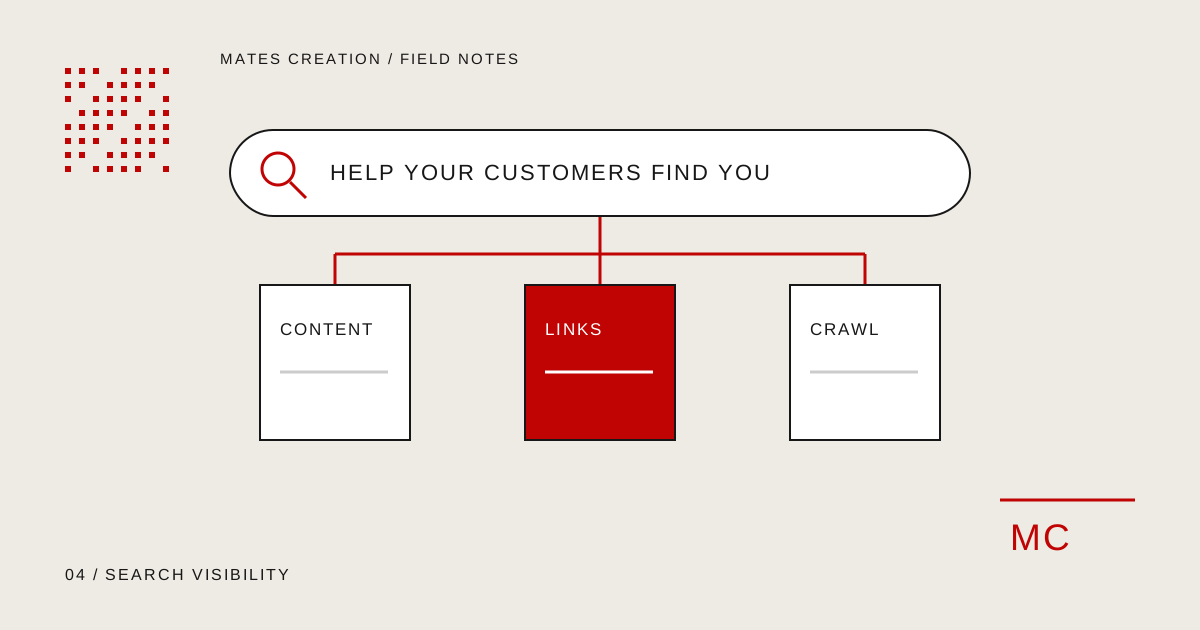
Google’s starter guide explains the role of accessible pages, useful content and links in search discovery. Check that your important pages load, that navigation reaches them and that your sitemap contains the public URLs you want discovered.
Review indexing settings and canonical URLs. Use Search Console’s inspection tools to investigate a particular page. Keep private account and administration areas protected separately; a robots file is a crawler instruction rather than a login system.
Reference: Google SEO Starter Guide
Make business information consistent
Publish the correct business name, service area and contact details. Structured data should describe the visible information on the page. Add service details that are true and supported by the business.
AI search visibility also begins with understandable public content. Clear explanations and readable pages are useful foundations. Publishing an llms.txt file is a discovery aid for systems that use it; treat it as a guide to content, rather than a promise of visibility or citations.
Review evidence as the site collects data
Keep a launch record with the important URLs, their purpose and the checks completed. As impressions and queries appear in Search Console, compare the search terms with the page content and the enquiries you actually receive.
Choose the next change from the evidence. A page receiving impressions for the wrong service may need clearer wording. A page with a broken enquiry form needs a functional fix. Search results depend on external systems, so agreed work and documented checks are more meaningful than guaranteed positions.
Your planning checklist
- A customer question for each important page
- Distinct and accurate page metadata
- Working navigation, sitemap and indexing checks
- Consistent public business information
- A record of changes and available search evidence
Where Mates can help
Explore the relevant service scope, deliverables and working process. We review requirements before agreeing a proposal.
SEO & AI Search VisibilityWebsite Development & E-commerceDiscuss Your Project