People cannot find what they need
A confusing menu, vague service page or buried product information can leave visitors with unanswered questions.
Mates Creation plans and builds business websites, WordPress sites and WooCommerce stores from Delhi. We work with businesses across India and internationally. We agree the pages, editing needs, integrations and launch checks before development.
Discuss Your Project See what can be includedA confusing menu, vague service page or buried product information can leave visitors with unanswered questions.
Small content changes become a recurring development task when pages are built without a clear editing system.
Long forms, unclear calls to action and inconsistent mobile layouts introduce friction at the point people want to act.
We start with your offer, customers and the actions your website needs to support. Page structure, content and development follow that plan. A business website, campaign landing page and online store each need a different route from the first visit to the final action.
Talk through your requirementsClear navigation, considered page layouts and a straightforward path to buying, enquiring or finding information.
We choose the platform around your content, integrations and maintenance needs.
Agreed launch checks, handover and an optional support plan for the work that follows.
These are the kinds of work we can include.
Your proposal defines the agreed deliverables.
A planned page list, menu structure and content hierarchy covering how visitors find services, products and contact information.
Layouts for the agreed pages and key journeys, including mobile navigation, readable content and clear enquiry or purchase actions.
Where WordPress is the chosen platform, configure the content management system so your team can update agreed text, images and pages.
Where included, organise products, categories, variations, cart and checkout. Payment, shipping, tax and stock requirements are confirmed before development.
Build and validate the agreed enquiry forms, with success and error states. CRM connections or notifications require confirmed access to the receiving system.
Integrate approved copy and images. Scope page titles, metadata, canonical links, sitemap settings and any redirects required for a redesign.
Check agreed browsers, mobile layouts, forms and purchasing paths. Explain editing access and the maintenance responsibilities at handover.
Explain your services, answer buying questions and give visitors a clear route to an enquiry. We plan the important pages around your actual offer.
Organise categories, product information, cart and checkout into a coherent buying experience. Payment, shipping and stock requirements are agreed before development.
Give a specific offer its own page with focused copy, relevant visuals and an enquiry flow. The page can connect to agreed tracking and lead management tools.
Start with your business situation,
then agree the work it needs.
Choose this when prospects need to understand your offer, compare services and send a qualified enquiry.
Choose a store build when you need a product catalogue, buying journey and an editing system for products and orders.
Choose a redesign or focused improvement when the current site is hard to update, unclear on mobile or missing essential customer journeys.
These examples explain possible uses. They are not client projects or results.
A consultancy could organise separate service pages, useful FAQs and a brief enquiry form. Visitors select the service they need and the team receives the relevant details.
A retailer could offer size and colour choices, accurate product information and a tested checkout. Shipping zones and available payment methods would be agreed during planning.
Payment providers, CRM tools, mailing lists and booking systems may be connected where their APIs or supported plugins allow it. An API is a way for two systems to exchange information.
An existing site needs a review of plugins, hosting, URLs and editing requirements. Maintenance can cover agreed updates, backups or development changes; frequency and responsibility are defined separately.
Beyond the website form, lead routing and workflow automation can connect the enquiry to supported systems with agreed ownership and recovery steps.
Each stage has a clear purpose. We agree the scope and feedback points before the project begins.
Plan your projectReview your current website, audience, page content and the actions customers need to complete.
Agree the page list, editing setup, store requirements and integrations. Identify content and access responsibilities.
Review the main layouts, then develop reusable templates and the agreed forms or store functionality.
Test navigation, content editing and mobile behaviour. For stores, check the agreed payment and shipping paths before launch.
Complete agreed migration or launch checks, review redirects where needed and explain how to edit the site.
Define who handles updates, backups and future changes. Ongoing work is included only where the proposal specifies it.
Reusable page sections and an agreed editing setup make future changes easier. We can include a handover covering content updates, key integrations and maintenance responsibilities. Ongoing development, hosting and support can be scoped separately.
Launch SEO checks and ongoing technical SEO and page improvements are different scopes. An SEO engagement can be agreed separately.
Page count, content readiness, design requirements, product catalogue size and integrations all affect the work. A focused landing page and a custom store need different scopes.
Share your existing website, brand assets, key services or products and examples of the experience you want. We will identify missing content and access requirements together.
Tell us what you want to create or improve. We’ll review your brief and discuss a suitable scope.
Discuss Your ProjectUseful things to know before
scoping this service.
WordPress can suit a business that needs regular content editing and established store functionality. A custom build may fit a more specific interface or workflow. We review content ownership, integrations and maintenance before recommending a platform.
The scope can cover product organisation, variations, cart, checkout and agreed payment and shipping settings. Product upload volume, subscriptions and advanced fulfilment features must be specified separately.
We review existing URLs and identify which should stay or redirect. Content and indexing checks can be scoped into migration. Keeping the structure consistent helps avoid unnecessary disruption, but search performance is not guaranteed.
You confirm the business facts, product details and usage rights for assets. Copywriting, image preparation and product uploads can be included with a defined volume and approval process.
Page count, design requirements, product volume, integrations and content readiness affect the work. We agree the quote and schedule after discovery, including feedback responsibilities.
Yes, maintenance can be scoped around your platform and needs. Hosting, licences, update frequency, backups and additional development are defined in the proposal rather than assumed to be included.
A practical website brief covering page planning, content, WordPress, WooCommerce, integrations and launch checks for business owners.
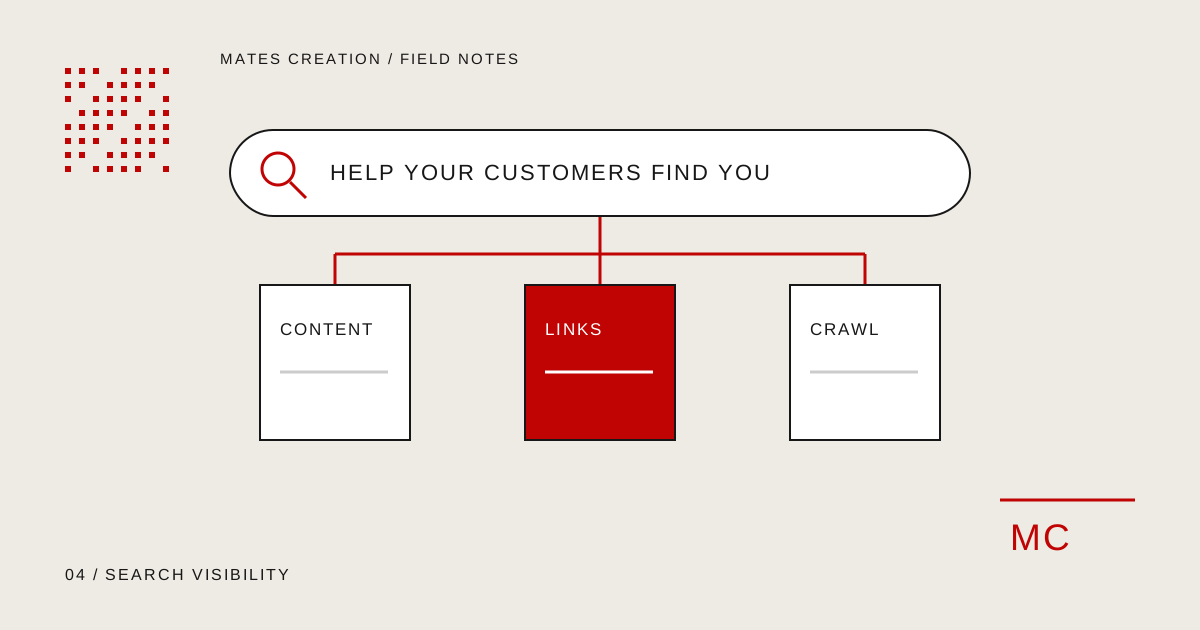
Read the guideStart a new website’s SEO with customer questions, clear service pages, crawl checks, accurate metadata and Search Console measurement.
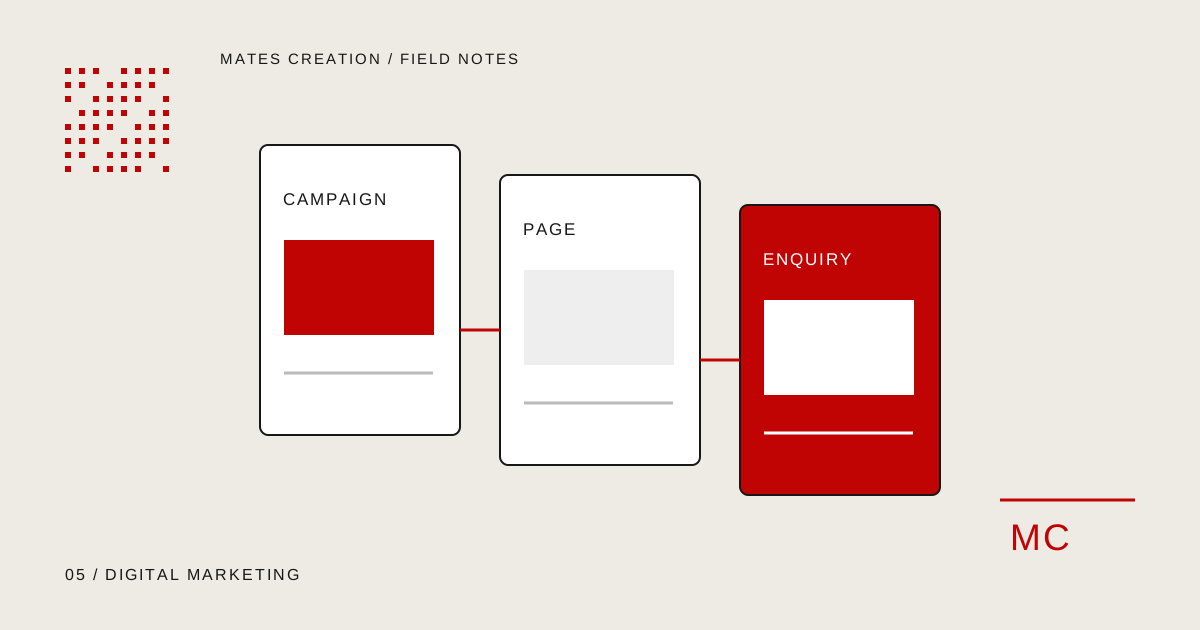
Read the guideConnect advertising messages, landing pages, enquiry forms and lead quality reporting before launching a digital marketing campaign.
Read the guideShare your current website, main services or products and what visitors need to do. We will discuss the pages, platform and scope.
Discuss Your Project